Friends, teammates, rivals: in Doha, FIP World Cup splits the best pairs
October 28, 2026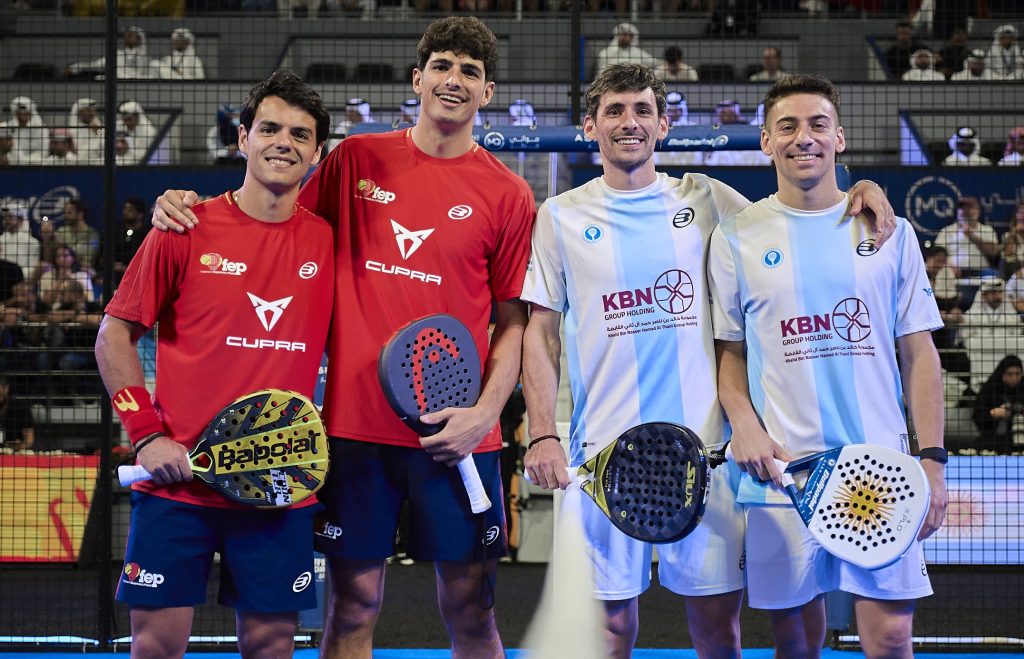
- From Tapia-Coello to Galán-Chingotto, from Lebrón-Augsburger to Triay-Brea: the leading players in the FIP Ranking and FIP Race go their separate ways to pursue the dream of becoming world champions with their respective national teams. It is a story that runs throughout sport, where sometimes the toughest rival to beat is the one who knows you best.
Teammates for an entire season, opponents for one week, right down to the final point. Together, they have won tournaments, lifted trophies and shared training sessions, journeys, emotions and defeats. They have learnt to recognise each other’s intentions from a glance and read a movement before it has even been made. Then the World Cup arrives and everything changes: the colour of the shirt, and a team-mate becomes a formidable opponent, because nobody knows you like they do — every shot, every secret.
It is one of the most fascinating stories of the FIP World Cup 2026, which will rewrite the balance of power in world padel for a week. The leading pairs — the top four in the men’s game and others, as well as Brea and Triay, the women’s world number ones — split up to represent their countries. The sporting alliance that has been so remarkable throughout the year can turn into a contest in which neither side holds anything back.
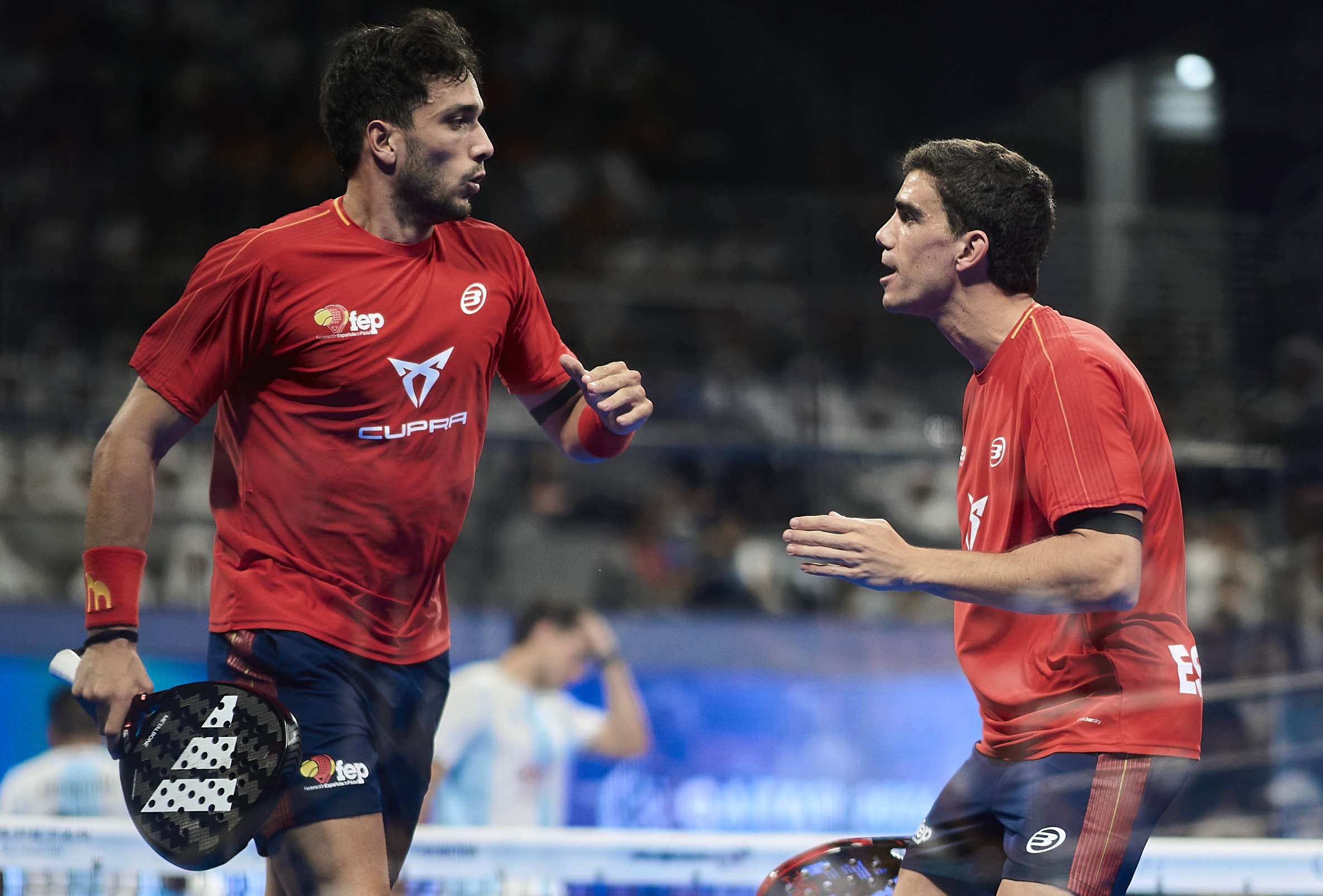
It starts with Arturo Coello and Agustín Tapia. The Spaniard and the Argentine, the world number ones and an exceptionally close partnership both on and off the court, are one of the most dominant pairs in recent padel history. In Doha, however, Arturo will wear Spain’s shirt and Agustín Argentina’s. When the two national teams meet — perhaps in a repeat of the 2024 final — they could find themselves on opposite sides of the net they usually defend together. And they will not be the only ones.
Ale Galán and Fede Chingotto, the pair who have done more than any other to challenge the world number ones’ dominance, will face the same situation, depending on the Spaniard’s recovery from the injury that forced him to miss the Major in Kuwait. Galán will represent Spain and Chingotto Argentina. They have built their strength on being perfectly complementary, turning their different qualities into an understanding that deserves a place in padel history.
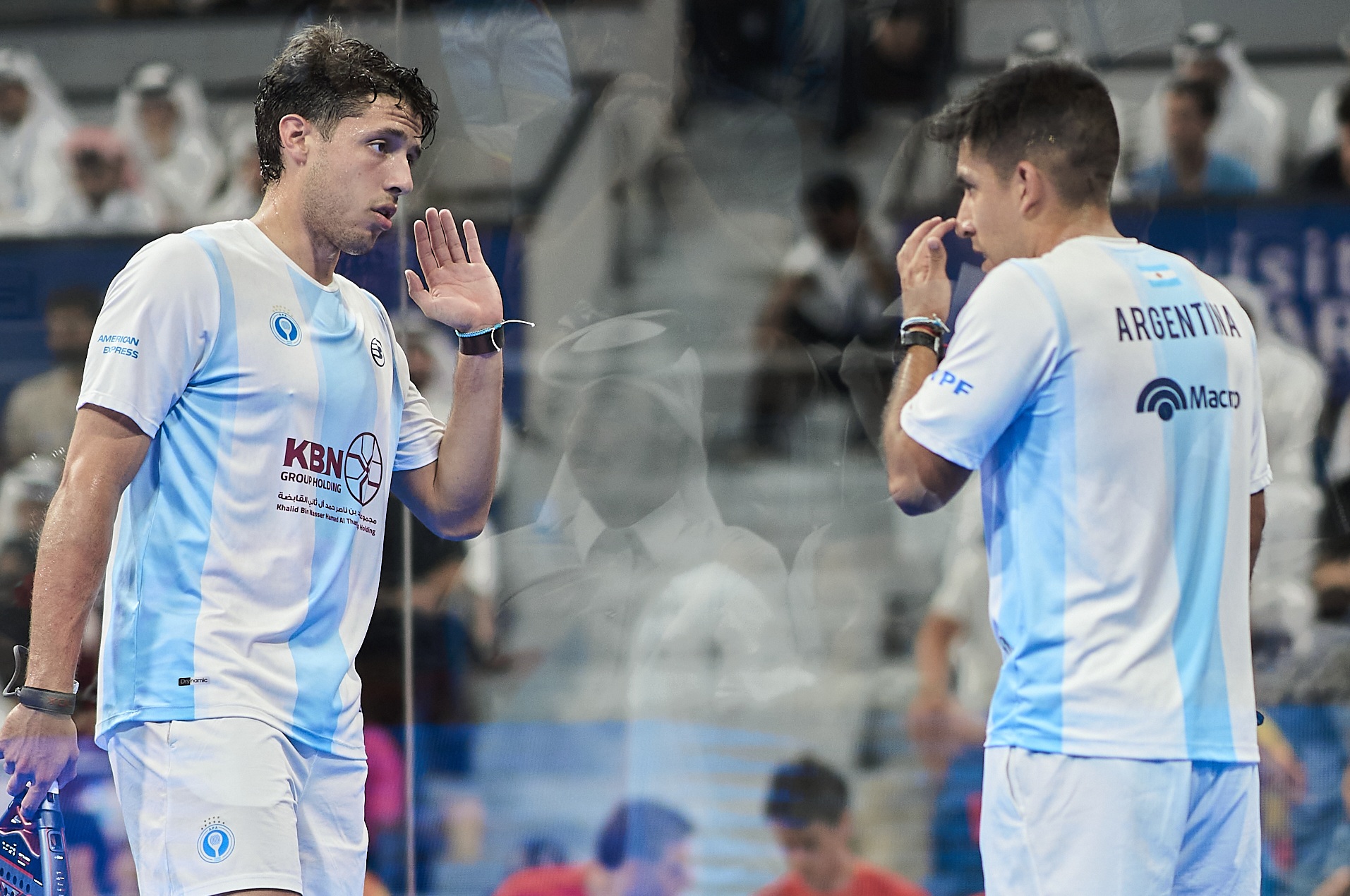
Then there are Juan Lebrón and Leo Augsburger, another of the leading pairs in the FIP Race. On one side is the experience and talent of El Lobo, a major figure this season and at the recent Oysho Milano Premier Padel P1; on the other, Leo’s explosive power, which proved decisive in the final against Spain two years ago, when he played alongside Tino Libaak. The World Cup could also bring Franco Stupaczuk face to face with two Spanish rivals who have been his team-mates, past and present. The first is Mike Yanguas, who played alongside Stupa until the London P1; the second is Jon Sanz, his current partner.
There is another pair destined to go their separate ways for the sake of their countries: Martín Di Nenno and Paquito Navarro. The Argentine and the Spaniard have shared a partnership across several seasons and reunited after already experiencing victories and memorable moments together. They know the meaning of the word understanding. Di Nenno brings his extraordinary defensive ability and skill in building points; Paquito contributes talent, flair and the personality that makes him one of the circuit’s most popular players. Two different ways of interpreting padel have combined to create a special partnership. In Doha, however, they too could come face to face, wearing the shirts of Argentina and Spain. Their knowledge of each other, once a winning weapon, could become a challenge to overcome.
As in that Disney cartoon, the story of “frenemies” is a familiar one in elite sport. In football, Messi and Neymar shared years of success and friendship at Barcelona, but faced each other in the 2021 Copa América final, representing Argentina and Brazil. Messi won, before the two shared a long embrace. Cristiano Ronaldo and Sergio Ramos, team-mates in four Champions League-winning campaigns at Real Madrid, later faced each other as opponents for Portugal and Spain. In basketball, Kobe Bryant and Pau Gasol won two NBA titles together with the Lakers before going head to head in the 2012 Olympic final in London: Kobe with the United States, Pau with Spain.
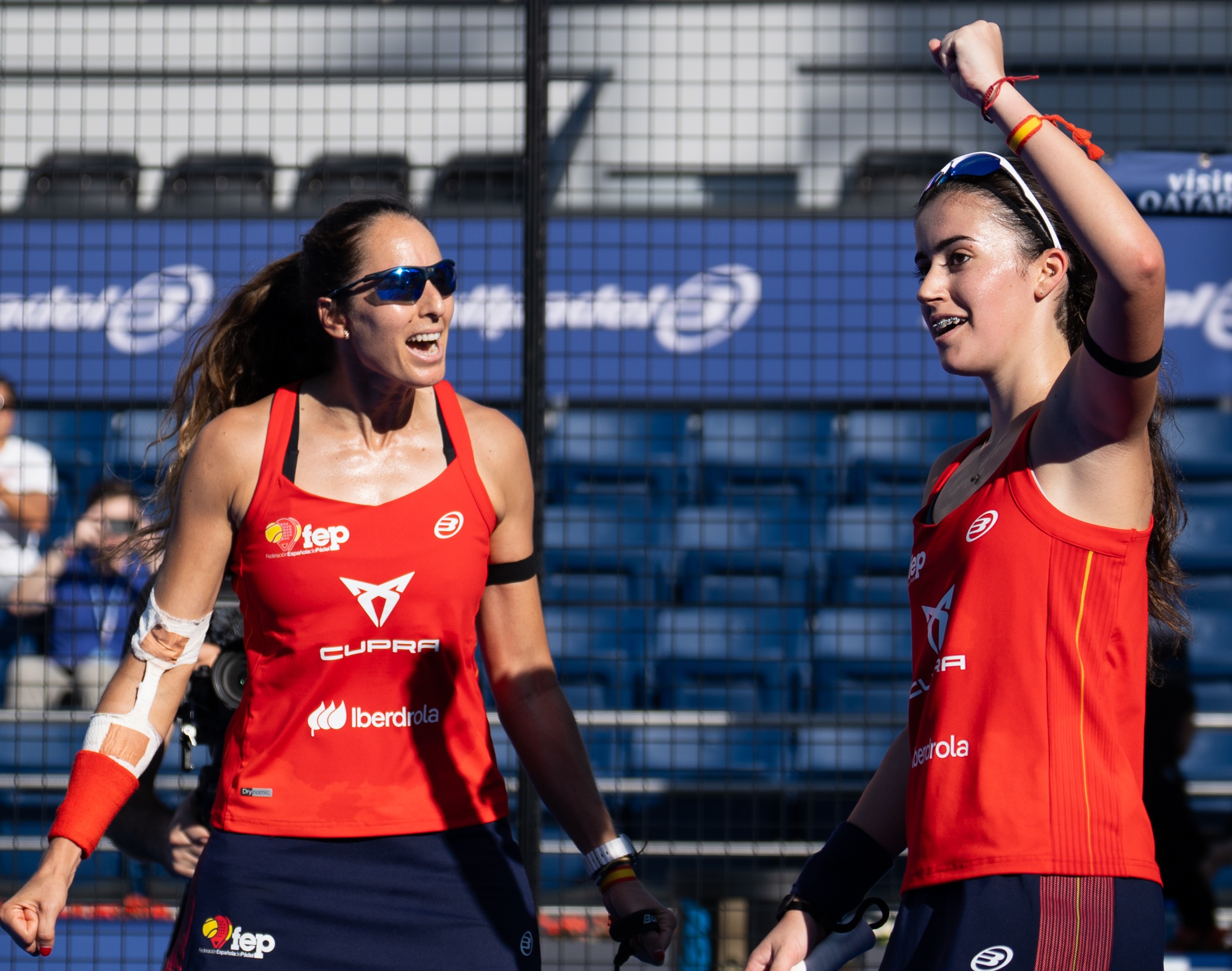
In the women’s game, Gemma Triay and Delfi Brea are the embodiment of this rivalry. The Spaniard and the Argentine, the world number ones, have built a dominant partnership. In Doha, however, their paths will diverge. Triay will be one of Spain’s leading stars, as the team seeks a seventh consecutive world title; Brea will lead Argentina’s challenge, determined to end that dominance. And who knows? A meeting between the two national teams could provide the tournament’s most compelling image: Gemma and Delfi facing each other across the net.
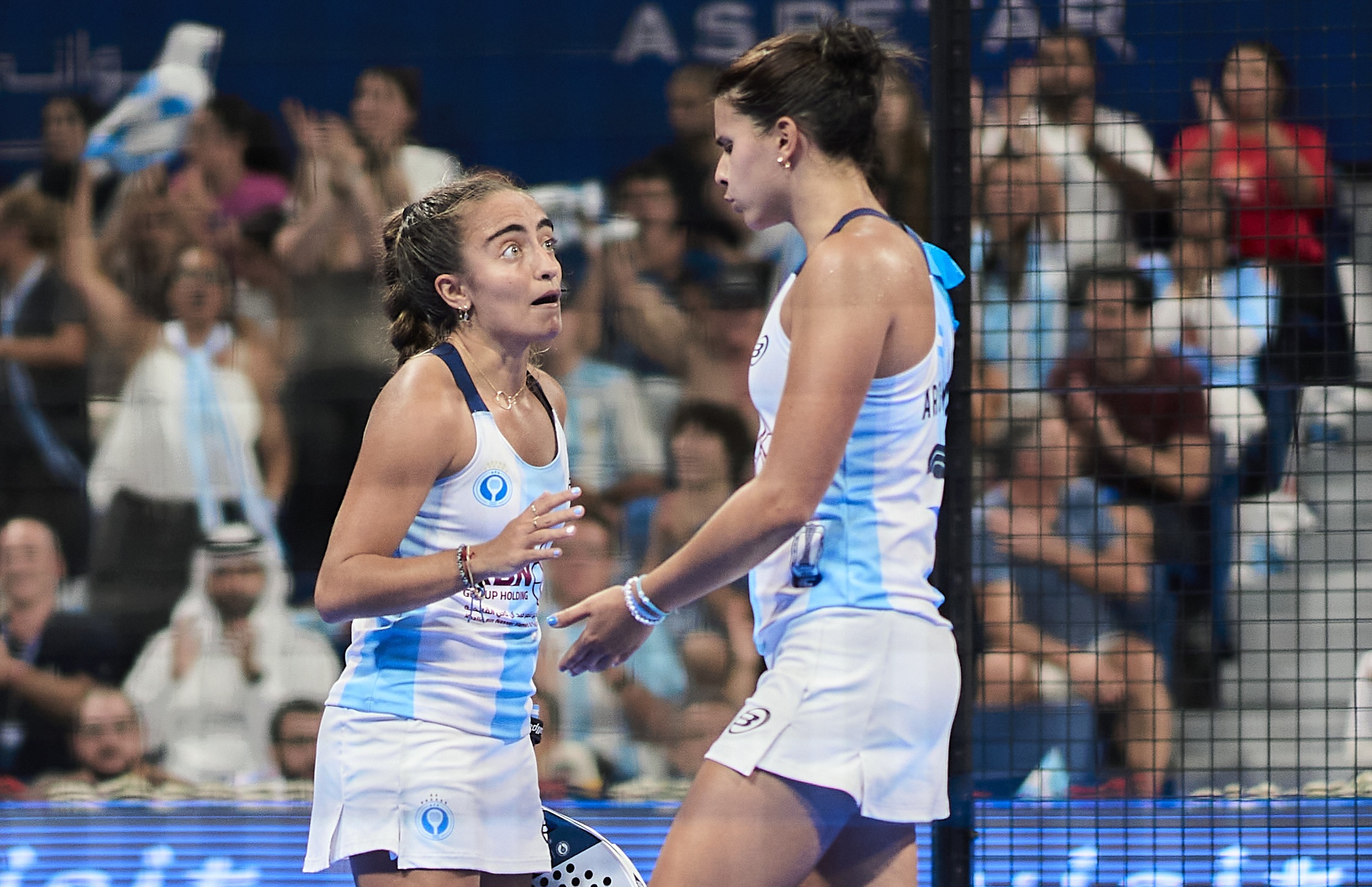
One detail makes this story even more intriguing. Padel is a doubles sport in which knowing your partner is essential. Tapia knows Coello‘s movements better than almost anyone. Chingotto knows where Galán will look to hit the ball at decisive moments. Brea knows Triay‘s favourite trajectories. But is that knowledge an advantage or a risk? Knowing everything about your opponent means you can anticipate their moves. Or does it mean facing someone who knows every one of your weaknesses? Because sometimes sport is also about this: sharing a dream for an entire year and, for a few days, pursuing two different ones.