Navarro, Ferrari, Montes and the others: the FIP World Cup has its women leaders
November 4, 2026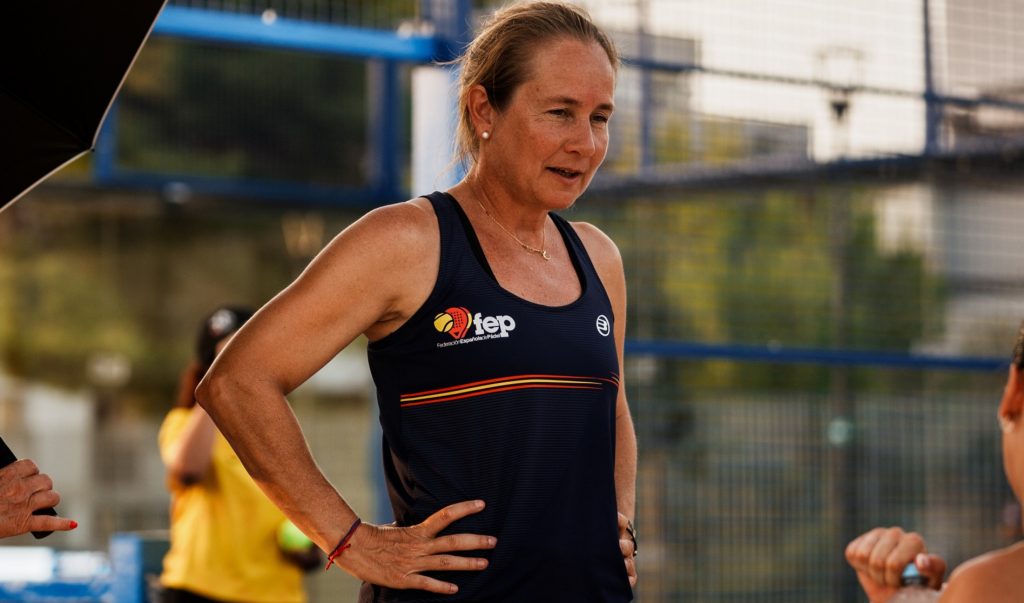
In Doha, women are taking their place on the benches: 11 women feature in the coaching teams, including six in the role of captain. Figures that exceed those recorded at the Olympic Games and in WTA tennis, confirming the growing presence of female leadership in international Padel
DOHA – More than at the Paris 2024 Olympic Games. More than in professional WTA tennis. And on a par with women’s football at FIFA national team competitions, where female representation is naturally an established feature. At the men’s and women’s FIP World Cup, Padel has a significant female presence, with 6 women serving as captains among the 32 teams competing and a total of 11 women occupying coaching or captaincy positions within the national teams.
Figures on female representation at major sporting events show that, at Paris 2024 – according to official IOC statistics, and with the historic gender balance achieved among competing athletes, with 50% women and 50% men – women accounted for 13% of coaches, the same figure recorded at Tokyo 2020. In the WTA tennis circuit, at the highest level of women’s tennis, women make up 15% of accredited coaches across the various team roles, according to official data.
At the FIP World Cup, women account for 11 of the 52 positions within the teams’ coaching structures, representing 21.2% of the total. This is in line with the 22% recorded at FIFA women’s national team competitions. However, it is worth noting that Doha is hosting both the men’s and women’s tournaments, while the FIFA figure relates exclusively to women’s competitions.
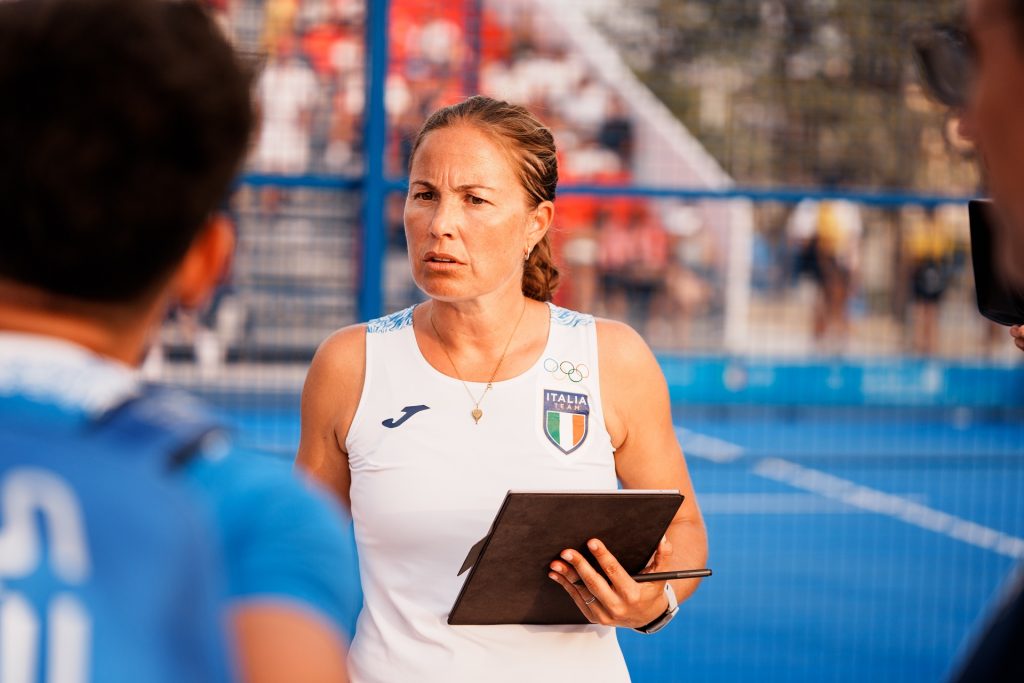
The most significant figure at the FIP World Cup concerns positions of responsibility: six women (19%) are captains, leading their respective national teams. More than half of the women in coaching positions therefore hold the leading technical role. They include former players who have helped shape the history of the sport, such as Marcela Ferrari, coach of both the Italian men’s and women’s teams, with several world championship podium finishes to her name. She was also the first woman to coach a world number one, Fernando Belasteguín, whom she worked with for seven years. Another is Carolina Navarro, world number one for nine years, with more than 100 career titles and captain of defending world champions Spain. Then there is Spain’s Iciar Montes, who was the world’s top player for 12 years and won five world titles and three European titles as captain of Spain. She is currently part of Great Britain’s coaching staff as assistant coach. Cristina Marin Toledano is also leading a national team. The Spaniard moved to Mexico out of her passion for Padel and is now director of the Escuela Nacional de Entrenadores de Pádel, which is dedicated to training Mexican coaches.
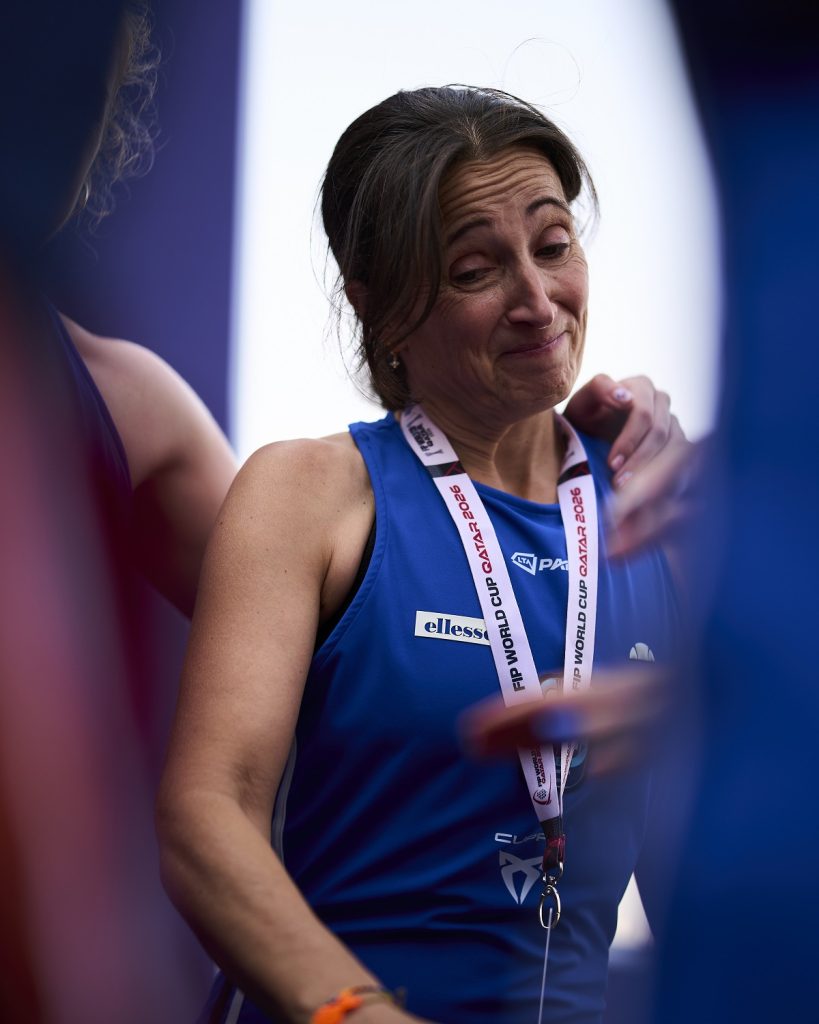
The other women captains at this World Cup are also making their mark. The Netherlands are led by Milou Ettekoven, who was the number one player in Dutch Padel from 2018 to 2022, while Elizabeth “Libby” Fletcher, a leading figure in English Padel, is at the helm of Great Britain. Emmie Ekdahl leads Sweden’s women’s team. A former tennis player and Swedish national Padel player, she has followed a path of growth within the sport since 2017: from national team player to head of the youth teams, and now coach of the senior women’s national team. Noelia Soledad Suarez is captain of Chile. At Doha, Portugal also have a woman in a leadership role, with Barbara Corte-Real serving as assistant coach/captain. Mariana Talarico, assistant coach of the US women’s team, is a former number one in the USPA women’s ranking and former captain of the United States national team at the 2021 and 2022 World Championships.
The trend at the World Cup reflects the wider development of the sport. While women account for 47% of the world’s amateur Padel players (40 million), as reported by the FIP World Padel Report, their presence in professional Padel is also growing. Among the 6,310 players who have featured in the FIP Ranking, across 113 countries, 28% are women. This figure is set to grow further in a sport that also embraces gender equality in prize money. The FIP World Cup has set another record in this respect, with €1.2 million in prize money – the highest total in Padel history – split equally between the men’s and women’s tournaments.